

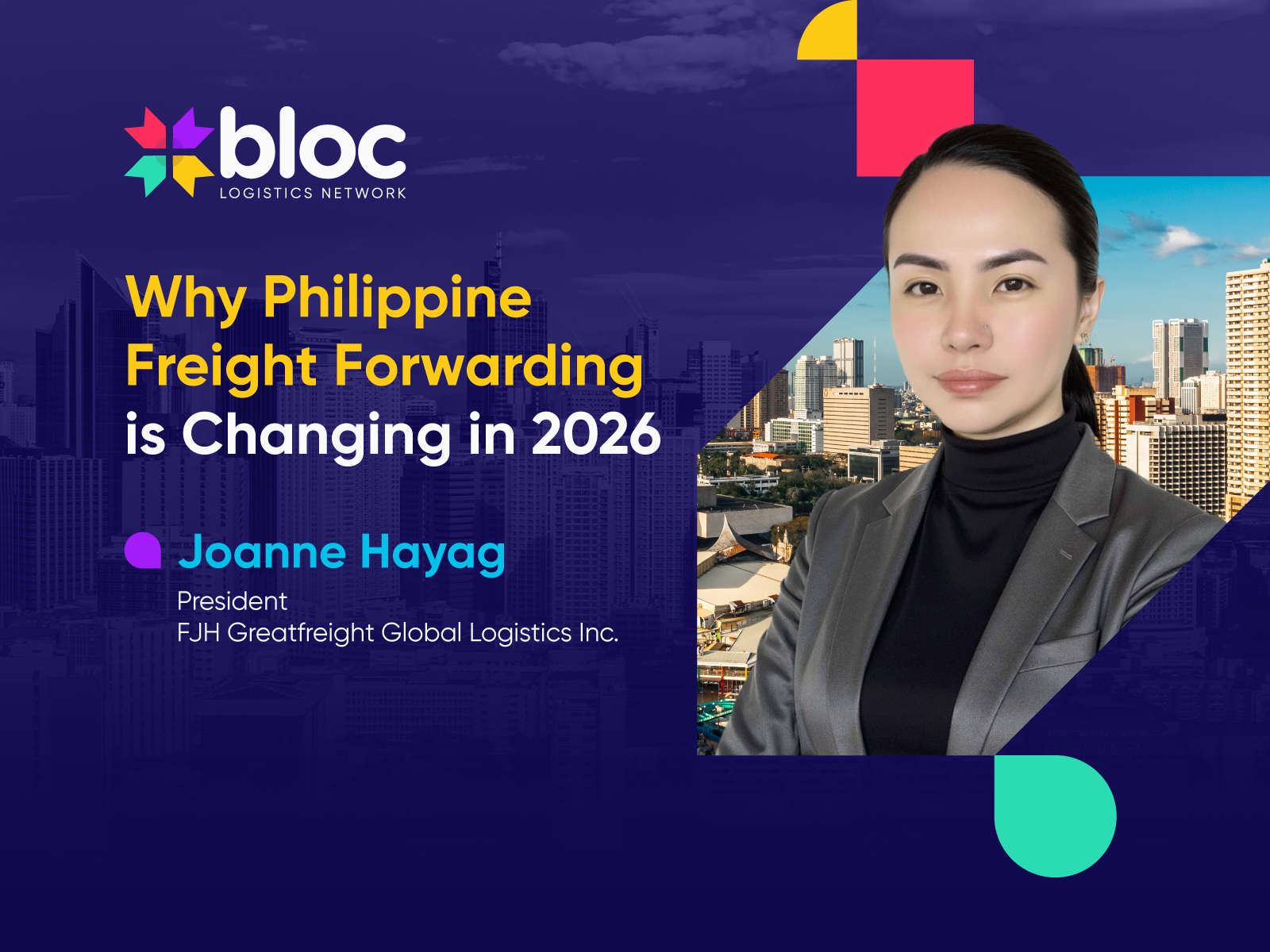
By Joanne Hayag, President of FJH Greatfreight Global Logistics Inc.
As we move through 2026, the Philippines is no longer just a collection of islands but a rapidly integrating hub of global trade. From the bustling ports of Manila to the expanding economic zones in Batangas and Davao, the demand for sophisticated, reliable, and tech-enabled logistics solutions has never been higher.
For international freight forwarders, navigating the Philippine market requires more than just a list of carriers. It demands a partner who understands the local nuances, from the specific customs regulations of the Bureau of Customs (BOC) to the geographical challenges of a nation comprising over 7,000 islands.
The Strategic Importance of Paranaque and the NAIA Corridor
Paranaque City has solidified its status as the heartbeat of Philippine air freight and logistics. Its proximity to the Ninoy Aquino International Airport (NAIA) and the major seaports of Manila makes it the strategic ground zero for any freight forwarding operation. FJH Greatfreight Global Logistics Inc. operates from this critical hub, providing a bridge between local manufacturers and the global market.
As global supply chains shift toward “China Plus One” strategies, the Philippines has become an attractive destination for manufacturing. This shift has placed immense pressure on local infrastructure, making the role of a seasoned forwarder indispensable.
The logistics landscape in the Philippines is uniquely challenging, requiring a balance between global best practices and strong local expertise. Being based in Parañaque puts us at the forefront of trade, allowing us to closely manage every shipment entering or leaving the country. This strategic position ensures that every “last mile” delivery begins with the right first step—executed with precision, reliability, and control, says Joanne of FJH Greatfreight Global Logistics Inc.
Infrastructure and Digitalization Trends in 2026
The “Build Better More” initiative has begun to bear fruit in 2026. The expansion of the Manila International Container Terminal (MICT) and the ongoing development of the Luzon International Container Terminal in Batangas are critical milestones. These projects are designed to future-proof the industry against the congestion that historically plagued Manila’s roads.
However, physical infrastructure is only half of the story. Digitalization is the new currency of logistics in the Philippines. In 2026, AI-powered route optimization, digital customs filing, and real-time cloud-based tracking rapidly replace the manual systems.
We’ve moved beyond the time when we had to make a phone call just to track a container. Today, our partners demand full, real-time visibility. For us, digitalization is no longer optional; it’s the backbone of how we navigate and manage the complexities of Philippine trade routes, Joanne notes.
Overcoming Customs and Regulatory Hurdles
The complexity of customs brokerage is one of the most significant challenges for any freight forwarder entering the Philippine market. The Bureau of Customs has introduced several modernization programs, but the requirements for documentation remain stringent. Whether it is handling general cargo, dangerous goods, or specialized project cargo, compliance is the difference between a successful delivery and a costly delay.
For 2026, the focus has shifted toward “Green Lane” processing and Authorized Economic Operator (AEO) programs. These initiatives reward compliant traders with faster clearance times, but they require a high level of expertise to navigate.
Customs brokerage is where many international shipments face their toughest hurdles. It’s not just about paperwork; it’s about relationships and a profound understanding of the Tariff and Customs Code. Joanne explains that we position ourselves as the protective shield for our clients, ensuring we meet every regulation before the cargo even hits the dock.
The Rise of E-commerce and 5PL Solutions
Analysts project that the Philippine e-commerce market will reach new heights this year. This growth is driven not just by retail consumers but by B2B enterprises adopting digital procurement. This has led to an increased demand for 5PL (Fifth Party Logistics) services, where the forwarder manages the entire supply chain, including warehousing, distribution, and reverse logistics.
FJH Greatfreight Global Logistics Inc. has adapted to this trend by integrating e-commerce fulfillment into their core services. In a country where geography can make delivery times unpredictable, having a robust warehousing and distribution network in place is vital.
Logistics is no longer just a back-office function; it has become a key competitive advantage in the age of e-commerce. Businesses that cannot move goods efficiently across the Visayas and Mindanao risk losing market share. Our goal is to ensure that geography never becomes a barrier to a company’s growth,” Joanne shares.
Resilience in the Face of Global Disruptions
2026 has seen its share of global trade volatility. From shifting maritime routes to fluctuating fuel prices, the industry has had to remain agile. The Philippine market has shown remarkable resilience, largely due to its strong regional ties with ASEAN partners, Japan, and South Korea. This “regionalization” of trade has provided a buffer against disruptions in Western markets.
As freight forwarders, the ability to pivot between sea and air freight depending on the global climate is essential. When geopolitical tensions extend sea freight transit times, air freight becomes the lifeline for time-sensitive cargo like electronics and perishables.
“Resilience” is often overused, but in Philippine logistics, it means having Plans B, C, and D ready at all times. Whether facing weather disruptions or global shipping bottlenecks, our role is to keep operations moving seamlessly for our members and clients,” Joanne says.
Why Partnership Matters in the Bloc Logistics Network
In a fragmented industry, the power of a network cannot be overstated. For members of the Bloc Logistics Network, having a reliable expert like Joanne and the team at FJH Greatfreight Global Logistics Inc. means having a direct line to the Philippine market. It’s about trust and the assurance that professionals handle your cargo and treat it as their own.
Looking toward the remainder of 2026, the focus remains on “Great Solutions.” This means personalized service that goes beyond the standard freight quote. It involves consulting on tax-free privileges, managing all forms of cargoes, and overseeing heavy-lift project cargo with precision.
Our name, Greatfreight, is a promise we make every day. In this network, we don’t just move boxes; we build the bridges that allow global trade to flourish in the Philippines. We are here to be the responsible partner in trade facilitation that every forwarder needs, Joanne concludes.
Key Takeaways for Logistics Managers in 2026
- Strategic Location: Utilize hubs in Paranaque for faster access to NAIA and Manila ports.
- Compliance First: Prioritize customs brokerage expertise to avoid “hidden” fees in customs clearance and delivery.
- Tech Integration: Choose partners who offer digital tracking and automated documentation.
- Regional Focus: Leverage the Philippines’ strong trade links within the ASEAN region for more stable supply chains.
The Philippines is open for business, and with the right expert guidance, the logistical challenges of this vibrant archipelago become opportunities for unprecedented growth. FJH Greatfreight Global Logistics Inc. stands ready to navigate these waters with you.

Article by Joanne Hayag
FJH Greatfreight Global Logistics Inc., a member of Bloc Logistics Network
is a customs brokerage and international freight forwarding company based in Parañaque City, Philippines. Founded in 2023, it provides freight, warehousing, distribution, project cargo, e-commerce fulfillment, and customs-related services. Supported by licensed customs brokers, the company focuses on dependable, compliant, and cost-effective logistics solutions.
Bloc Logistics Network is a global platform that connects logistics professionals to share opportunities and collaborate without barriers. Bloc aims to level the playing field by creating an accessible, supportive environment where professionalism and collaboration drive real results. It serves as an ecosystem designed for mutual advancement, ensuring growth, efficiency, and success across the logistics industry.